Guide
Travelling with Your Vape: Plane, Hand Luggage and Abroad
Eliane Weber · iVape editorial team, products & e-liquids focus
May 20, 2026 · 6 min read
Before every departure the same question comes up: can you take your vape on the plane? In short yes, but only under clear conditions. The reason is the lithium battery, and it decides where the device belongs and where it doesn't. Here are the essentials, without the bureaucratic jargon.
Vape and battery go in your hand luggage, never in checked baggage
This is the most important rule, and it applies worldwide. Devices with a lithium battery, so every rechargeable vape and every disposable vape too, must not go in your hold luggage in the cargo hold. Down there, a battery incident in flight would go unnoticed. In your hand luggage, with you, it's different.
In practice this means:
- Vape, spare batteries and power banks always in the cabin, in your backpack or handbag.
- Protect each spare battery individually against short circuits, e.g. in its original packaging or in a small case. Loose batteries next to coins or keys are a no-go.
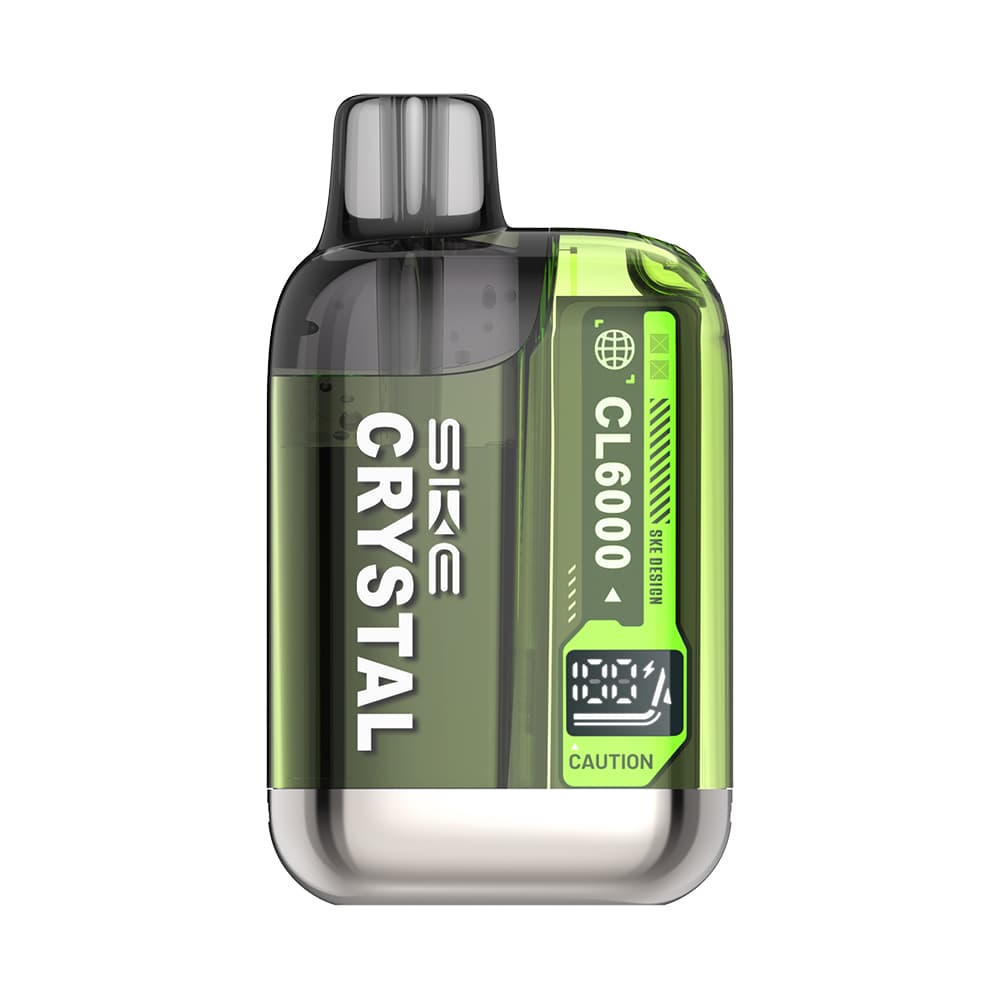
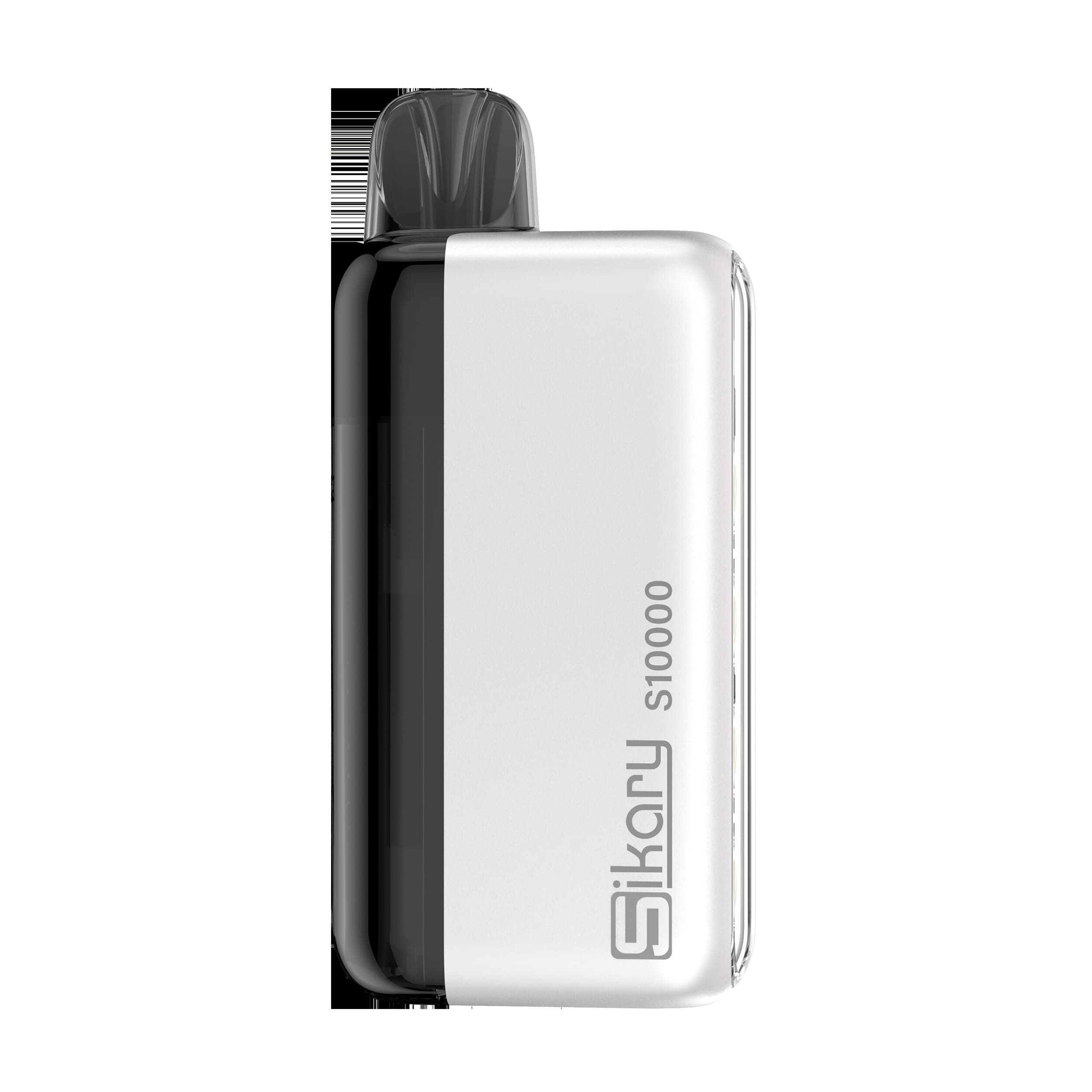
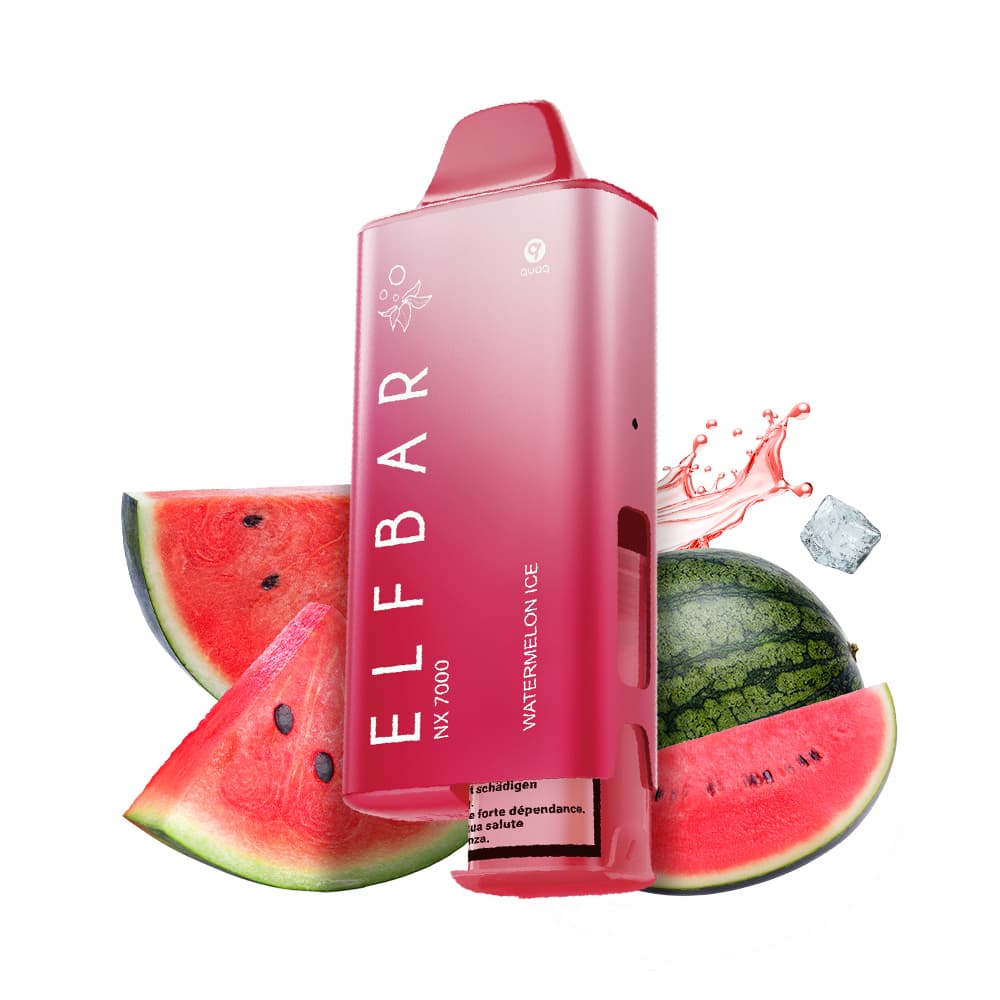
- Disposable vapes like the ELFBAR 600 count just the same, even if the battery is permanently built in.
In flight: no charging, no vaping
On board, vaping is banned everywhere, including in the toilet. The smoke detectors pick up on it, and that ends up expensive and embarrassing. You're equally not allowed to charge the vape on the plane, neither via the USB port at the seat nor via a power bank. It's best to switch the device off completely or lock the firing button, so it doesn't go off by accident in your bag.
If you miss the ritual at the airport, you'll sometimes find designated smoking areas, where vaping is usually tolerated too. Don't rely on it though, the rules vary from airport to airport.
Liquids: the 100 ml rule applies here too
E-liquid is a liquid and falls under the same regulation as shampoo or toothpaste:
| What | Rule in hand luggage |
|---|---|
| Single bottle of liquid | max. 100 ml |
| All liquids together | in the transparent 1-litre bag |
| Full pods / tanks | count as liquid too |
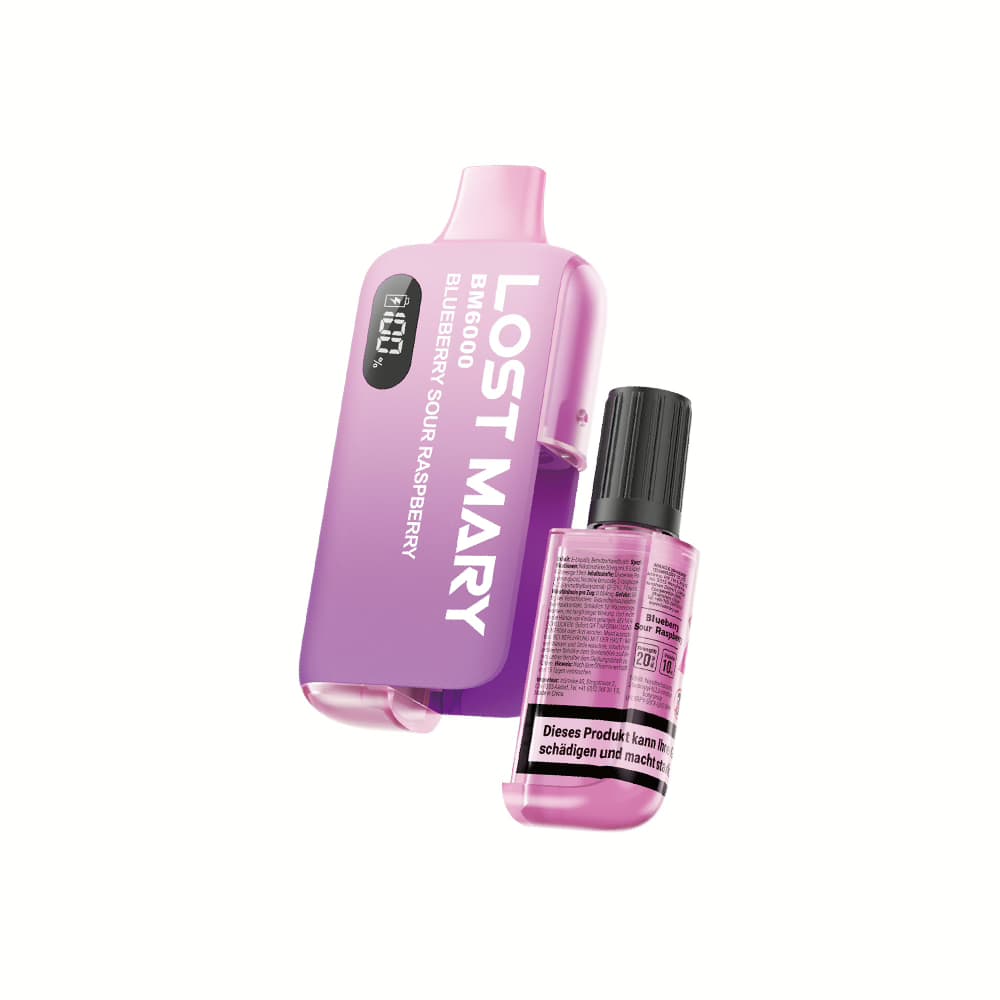
Most e-liquids come in 10 ml bottles anyway, so you're within the rules. A practical tip: empty pods and tanks before the flight, or only fill them halfway. The pressure difference during climb and descent can make liquid leak and the pod gets messy. Anyone wanting to refill straight afterwards has an easy time with compact refill systems.
Abroad: rules and minimum ages aren't the same everywhere
What's allowed in Switzerland doesn't automatically apply elsewhere. Some countries ban vapes completely or only allow them without nicotine, others have strict import quantities or a higher minimum age. In some destination countries, hefty fines await for breaches.
Before you travel, a quick check is therefore worth it:
- Is the vape even allowed in the destination country? In parts of Asia and the Arab world in particular, caution is advised.
- How much are you allowed to import? Liquid and quantity limits are common.
- Does a different minimum age apply? In Switzerland it's 18, elsewhere sometimes 21.
We sum up the Swiss legal framework in the guide Vape Laws in Switzerland. For handling batteries safely on the go, the guide Vape Battery Safety will help.
Before the trip: stock up quickly
Anyone who can't find the right pods or liquids abroad ends up frustrated. That's why it's worth packing enough supplies before you leave. iVape ships from its warehouse in Switzerland, with free shipping from CHF 29 and often as soon as the next working day, for example to Zurich, Geneva or Basel, handy for anyone stocking up just before the flight.
In short
- Battery and vape always in your hand luggage, never in checked baggage.
- In flight no charging and no vaping, this applies in the toilet too.
- Liquids are subject to the 100 ml rule, better to empty pods before the flight.
- Abroad, check import rules, bans and minimum age beforehand, this varies a lot.
Sometimes contains nicotine (up to 20 mg/ml), and nicotine is highly addictive. Sold only to those aged 18 and over. Not medical advice. As of: May 2026.
Frequently asked questions
- Can I take my vape on a plane?
- Yes, but only in your hand luggage. Devices with a lithium battery, so every rechargeable vape and every disposable vape too, must not go in checked baggage in the cargo hold. This rule applies worldwide.
- Do vapes and spare batteries go in hand luggage or in the suitcase?
- Always in your hand luggage, in your backpack or handbag. Protect each spare battery individually against short circuits, for example in its original packaging or a small case, and never carry them loose next to coins or keys.
- Am I allowed to vape or charge my vape on the plane?
- No, neither. On board, vaping is banned everywhere, including in the toilet, because the smoke detectors pick up on it. Charging is also not allowed, neither via the USB port at the seat nor via a power bank. It's best to switch the device off completely.
- How much e-liquid can I take in my hand luggage?
- E-liquid falls under the 100 ml rule like shampoo or toothpaste: a maximum of 100 ml per bottle, with all liquids together in the transparent 1-litre bag. Full pods and tanks count too. Because of the pressure difference during climb and descent, it's better to empty pods before the flight or only fill them halfway.
- Is vaping allowed everywhere abroad?
- No. Some countries ban vapes completely or only allow them without nicotine, others have strict import quantities or a higher minimum age, sometimes 21 instead of 18 as in Switzerland. In parts of Asia and the Arab world in particular, caution is advised, and hefty fines await for breaches.